Massage Therapy
Massage Therapy: A Holistic Approach to Healing
Massage therapy is a core part of our rehabilitation programme—and a favourite among our clients. Whether it’s used for deep muscle stimulation or calming low-stimulus sessions, massage therapy offers both physical and emotional benefits that support long-term recovery.
Tailored to every need
Massage therapy is adaptable to meet the unique needs of each client:
- Low-stimulus massage is particularly effective for clients recovering from a Traumatic Brain Injury (TBI). These gentle sessions help calm the nervous system, reduce hyperactivity, and create a space for quiet, therapeutic interaction.
For clients with Spinal Cord Injury (SCI), massage helps to:
- Stimulate muscles below the site of injury
- Reduce spasticity (muscle stiffness)
- Improve mobility and support other physical therapies
A Holistic Approach to Healing
We combine traditional rehabilitation with complementary therapies like massage to achieve the best outcomes. Clients often report feeling both physically revitalised and mentally uplifted after treatment.
Massage therapy promotes the natural release of serotonin, a chemical that boosts mood and reduces anxiety. This “hands-on” approach helps clients feel calmer, happier, and more resilient—no matter how severe their injury.
Benefits of Massage Therapy
- Improved circulation
- Reduced muscle stiffness and spasticity
- Decreased joint inflammation
- Better sleep quality
- Faster recovery from injuries
- Increased flexibility and mobility
- Less pain and soreness
- Strengthened immune function
- Boosted mental health and mood
- Reduced anxiety and emotional stress
- Support for emotional healing
- Improved overall quality of life
Types of Massage Therapy we offer
Herbal Massage
Hot Stone Massage
Lymph Drainage Massage
Massage and Traumatic Brain Injury (TBI)
Therapy for Clients with Prolonged Disorders of Consciousness (PDOC)
Spinal Cord Injury Massage Therapy
Pregnancy Massage
Pediatric Massage
Amputee Poly-Trauma Massage
Stroke Massage
Cancer Care Massage
Scar Massage
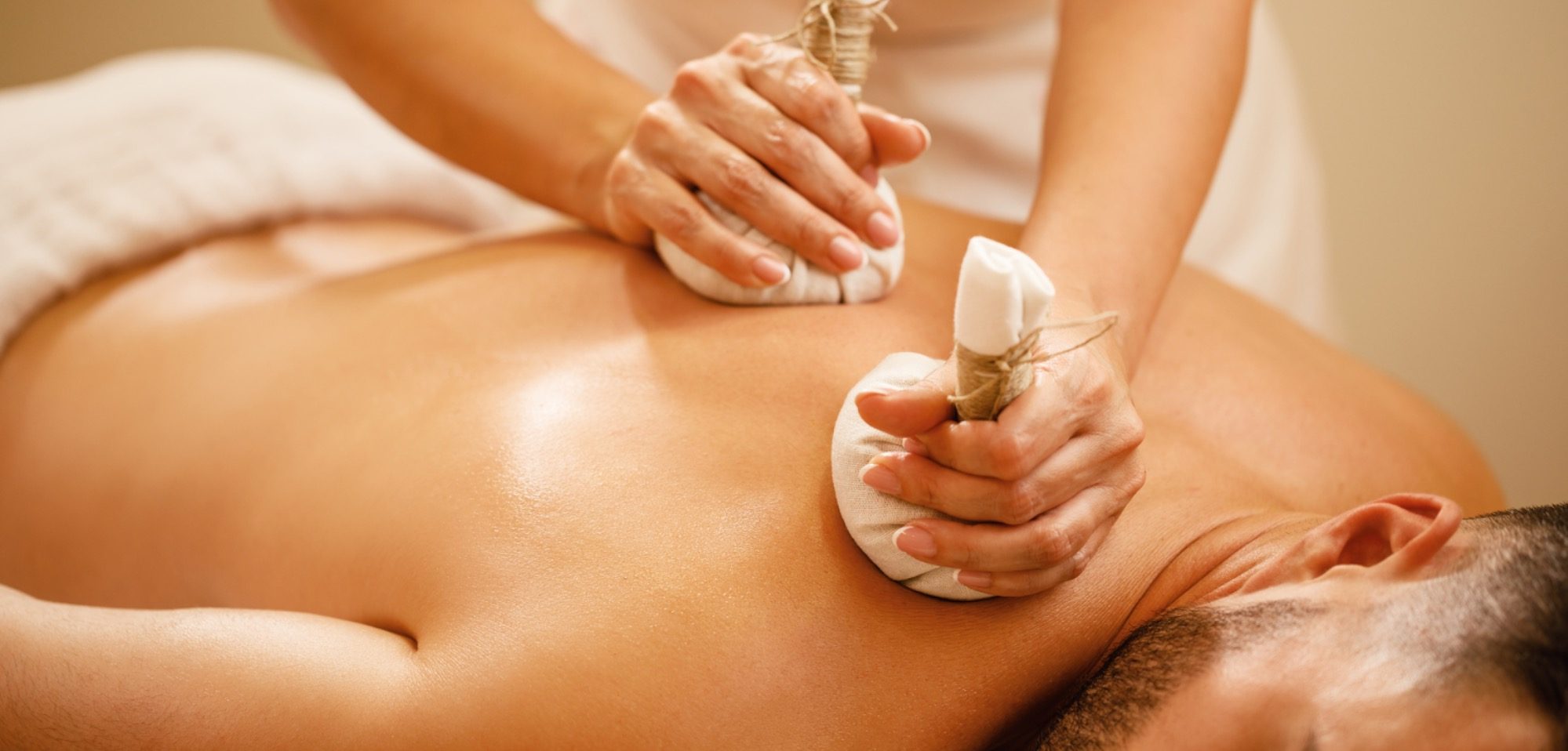
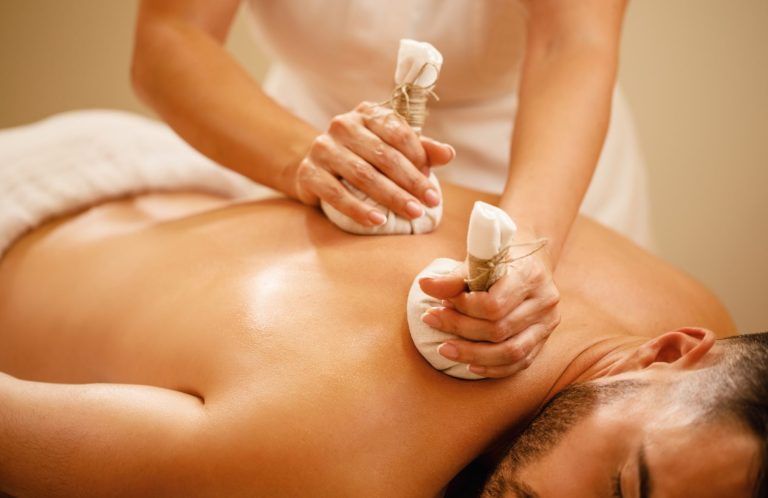
Herbal Massage
Herbal Massage Therapy is a healing practice that combines traditional massage techniques with the use of herbal treatments to enhance physical and mental well-being. This therapy uses herbal compresses, herbal oils, or herbal poultices applied during massage to deliver therapeutic benefits from natural plants.
How it works:
Massage therapy is adaptable to meet the Massage techniques help relax muscles, improve circulation, and relieve tension.
- Herbal preparations provide additional healing effects such as reducing inflammation, detoxifying the skin, relieving pain, and calming the nervous system.
- The heat from herbal compresses or warmth of infused oils helps the body absorb herbal benefits more effectively.
Benefits:
- Alleviates muscle soreness and stiffness
- Reduces inflammation and pain (like arthritis or sports injuries)
- Detoxifies the body by promoting lymphatic drainage
- Relieves stress, anxiety, and mental fatigue
- Enhances skin health and hydration
- Boosts overall energy and vitality
Typical Herbs Used:
- Lemongrass
- Turmeric
- Ginger
- Camphor
- Eucalyptus
- Lavender
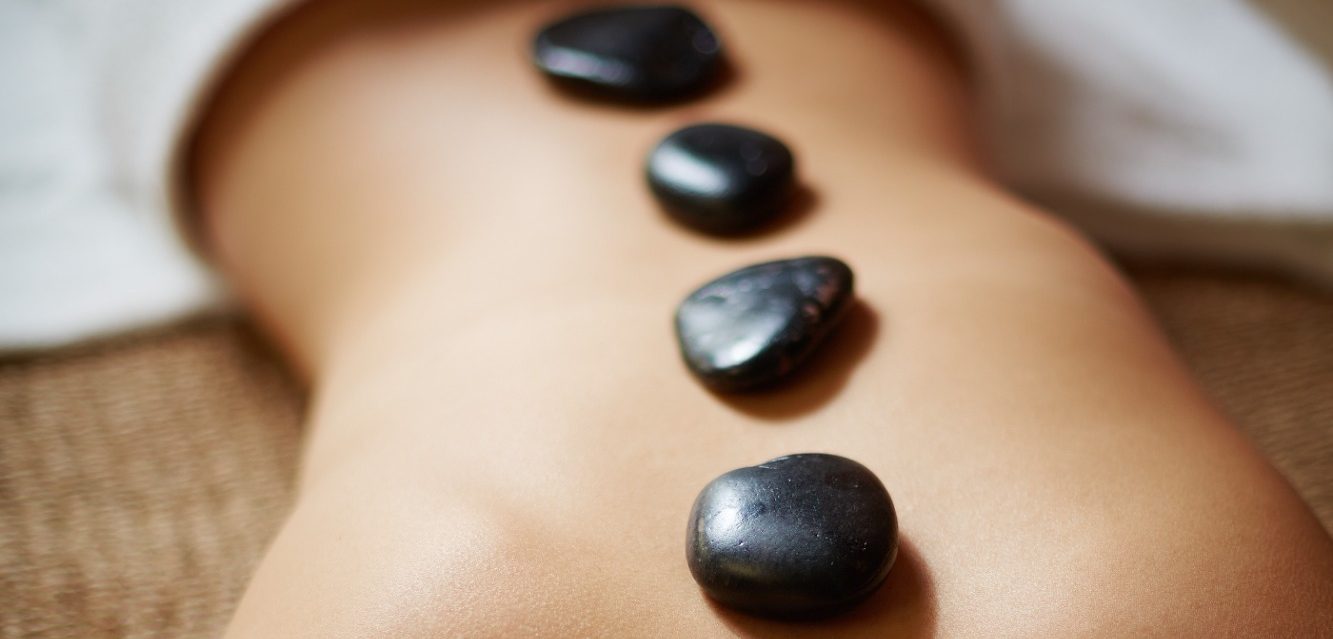
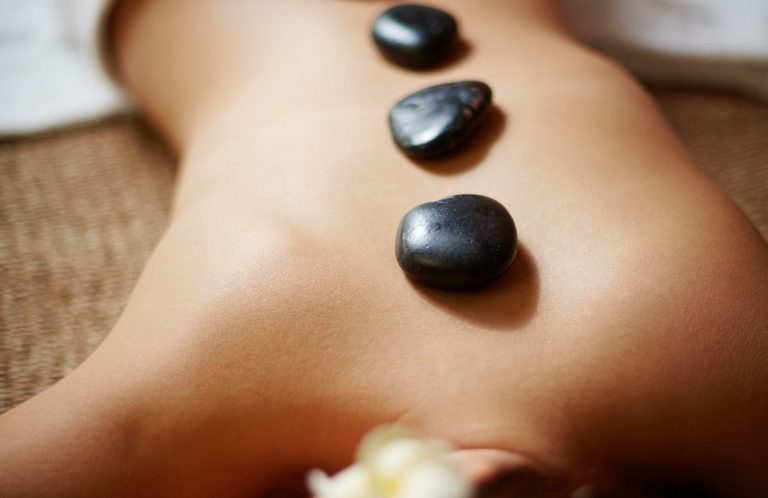
Hot Stone Massage
Hot stone therapy is a specialised type of massage that uses smooth, flat, heated stones to relax the body, ease muscle tension, and improve circulation. The stones are usually made of basalt, a volcanic rock known for its ability to retain heat. This treatment combines the benefits of thermotherapy (heat therapy) with the soothing effects of massage, making it both a relaxing spa treatment and a therapeutic practice.
How it works:
- Heating stones
- Stones are warmed in water to a safe temperature (110–130°F / 43–54°C).
- Placement on the Body
- The therapist strategically places the stones on specific points such as the spine, shoulders, stomach, hands, or feet.
- Massage with Stones
- In addition to placement, the therapist may hold the stones and use them to massage muscles with long, flowing strokes.
- Therapeutic Effect
- The heat penetrates deep into the muscles, helping them relax faster and allowing the therapist to work more effectively on tension areas.
Benefits:
- Relieves muscle stiffness and tension
- Reduces chronic pain (e.g., back pain, arthritis, fibromyalgia)
- Improves blood circulation and lymphatic flow
- Enhances flexibility and mobility
- Mental & Emotional Benefits
- Promotes deep relaxation
- Reduces stress, anxiety, and depression symptoms
- Improves sleep quality
- Increases overall sense of well-being
Lymph Drainage Massage
Lymph drainage massage—also called manual lymphatic drainage (MLD)—is a gentle, therapeutic technique designed to encourage the natural drainage of lymph fluid, which carries waste products away from tissues and back toward the heart. It’s often used to reduce swelling, improve circulation, and support the immune system.
How it works:
- The lymphatic system doesn’t have a strong pumping mechanism like the heart, so it relies on muscle movement and breathing to circulate fluid.
- MLD uses very light, rhythmic strokes and pumping movements to stimulate lymph flow through the vessels and nodes.
- Techniques are applied in a specific sequence, starting with clearing central areas (like the neck and collarbone) before moving to the limbs.
Benefits:
- Reduces lymphedema (swelling, especially after surgery or cancer treatment).
- Helps with detoxification by moving waste products out of tissues.
- Supports immune function by stimulating lymph flow.
- Promotes relaxation and reduces stress.
- Can improve healing after injury or surgery.
When its used:
- After breast cancer surgery or lymph node removal.
- For chronic venous insufficiency, lipedema, or fibromyalgia.
- To ease post-surgical swelling (e.g., cosmetic surgery).
- As part of wellness and detox therapies.
Massage and Traumatic Brain Injury (TBI)
Massage therapy can be an important part of recovery and quality of life for people living with TBI. Sessions are gentle, safe and adapted to each persons needs.
Neurological & Cognitive Benefits:
- Promotes relaxation – Calms the nervous system and may reduce overstimulation or agitation.
- Improves proprioception & body awareness – Gentle touch helps reconnect the brain and body, aiding sensory integration.
- Supports neuroplasticity – Repetitive, mindful stimulation may encourage new neural connections.
Emotional & Psychological Benefits:
- Reduces anxiety & stress – Calming parasympathetic activation can help manage mood swings, PTSD, or anxiety common after TBI.
- Improves sleep – Promotes deeper rest, which is often disrupted post-injury.
- Encourages emotional regulation – Safe, nurturing touch can increase oxytocin, improving mood and sense of security.
Physical Benefits:
- Reduces muscle tension and spasticity – Helps ease rigidity, especially if the client experiences hypertonia or contractures from neurological involvement.
- Improves circulation & lymphatic flow – Enhances oxygen and nutrient delivery to tissues, supporting healing and reducing swelling.
- Decreases pain – May alleviate headaches, neck/shoulder pain, and neuropathic discomfort often associated with TBI.
- Supports mobility – Gentle stretching and passive range of motion can help maintain joint flexibility.
Therapy for Clients with Prolonged Disorders of Consciousness (PDOC)
Gentle touch. Meaningful connection. Comfort and care.
Our Mission:
We provide compassionate massage therapy for people living with Prolonged Disorders of Consciousness (PDOC), supporting both clients and their families. Our approach is centered on comfort, dignity, and connection — offering therapeutic touch that enhances quality of life while empowering families to take an active role in care.
Support for Families:
We understand how hard it is when a loved one has limited capacity. Massage therapy is not only for the client — it helps families too by:
- Offering a positive, hands-on way to connect
- Reducing stress and emotional strain
- Building confidence through guided training and education
- Providing a sense of purpose and closeness in daily care
Why choose us?
- Specialist experience with PDOC clients
- Holistic, family-centered care
- Professional, compassionate therapists
- Evidence-informed practice rooted in safety and dignity
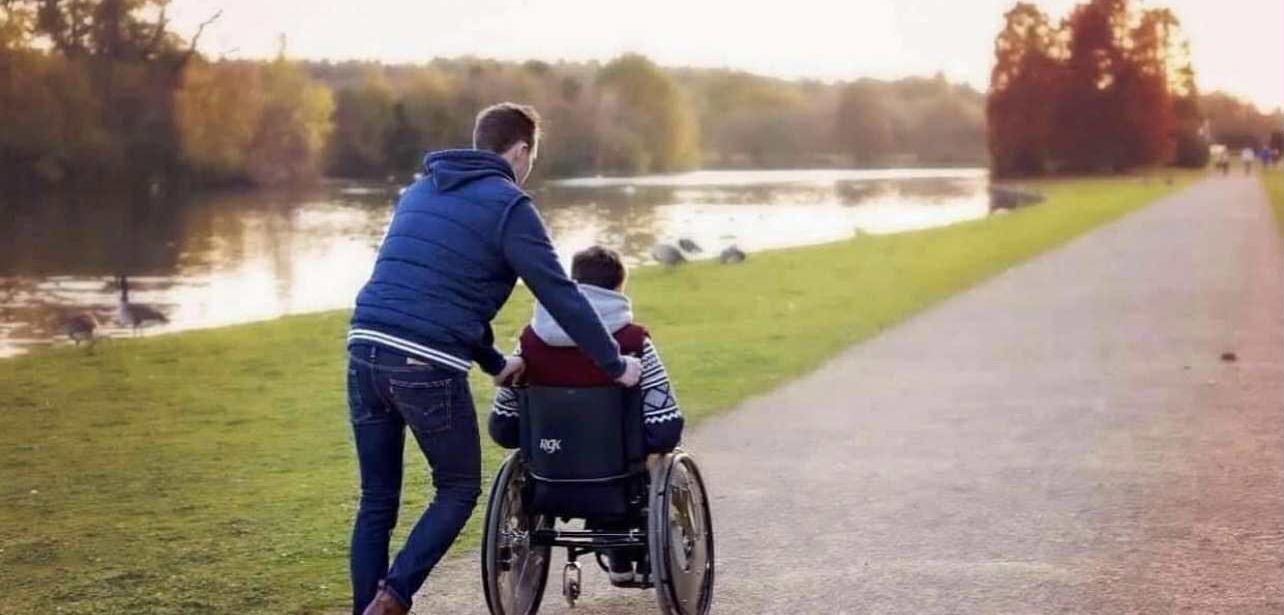
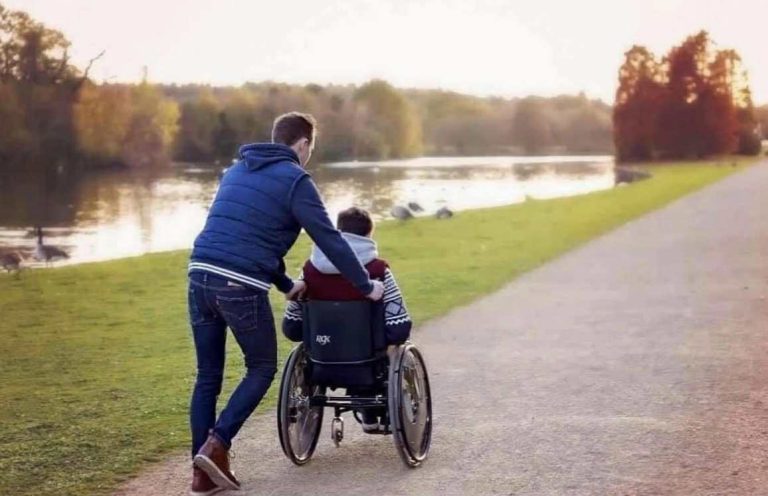
Spinal Cord Injury Massage Therapy
Massage therapy can be a helpful complementary approach for people with spinal cord injury (SCI). While it doesn’t restore lost function, it can address many secondary complications and improve overall quality of life.
Physical Benefits:
- Relieves muscle spasticity and tightness - Gentle massage helps calm overactive muscles and reduces involuntary spasms.
- Improves circulation & reduces swelling (edema) - Especially in immobile limbs, massage (and lymphatic drainage) can promote blood and lymph flow, lowering the risk of swelling, pressure sores, and blood clots.
- Decreases musculoskeletal pain - Helps with secondary pain in shoulders, neck, and arms (common in wheelchair users due to overuse).
- Improves range of motion & flexibility - Passive stretching combined with massage helps prevent contractures and joint stiffness.
- Enhances respiratory function (indirectly) - By relaxing accessory breathing muscles (neck, chest), massage can ease tension that may restrict breathing.
Neurological and Sensory Benefits:
- May reduce neuropathic pain - Some studies report short-term relief from tingling, burning, or shooting pain after massage.
- Improves body awareness - Gentle touch can provide sensory stimulation, helping reconnect a sense of the body, even below the level of injury.
Psychological & Emotional Benefits
- Reduces stress, anxiety, and depression - Clinical studies show massage can lower anxiety and depressive symptoms in SCI patients.
- Improves sleep quality - By reducing pain and calming the nervous system, massage often helps with insomnia.
- Boosts mood & relaxation - Physical touch provides comfort, lowers cortisol (stress hormone), and increases serotonin/dopamine.
Functional & Quality of Life Benefits
- Supports independence & daily living - Less pain and stiffness can make transfers, mobility, and self-care easier.
- Enhances participation in rehab/exercise - When spasticity and pain are reduced, individuals may engage more effectively in physical therapy.
- Improves overall well-being - Many people report feeling “lighter,” more comfortable, and more in control after regular massage.
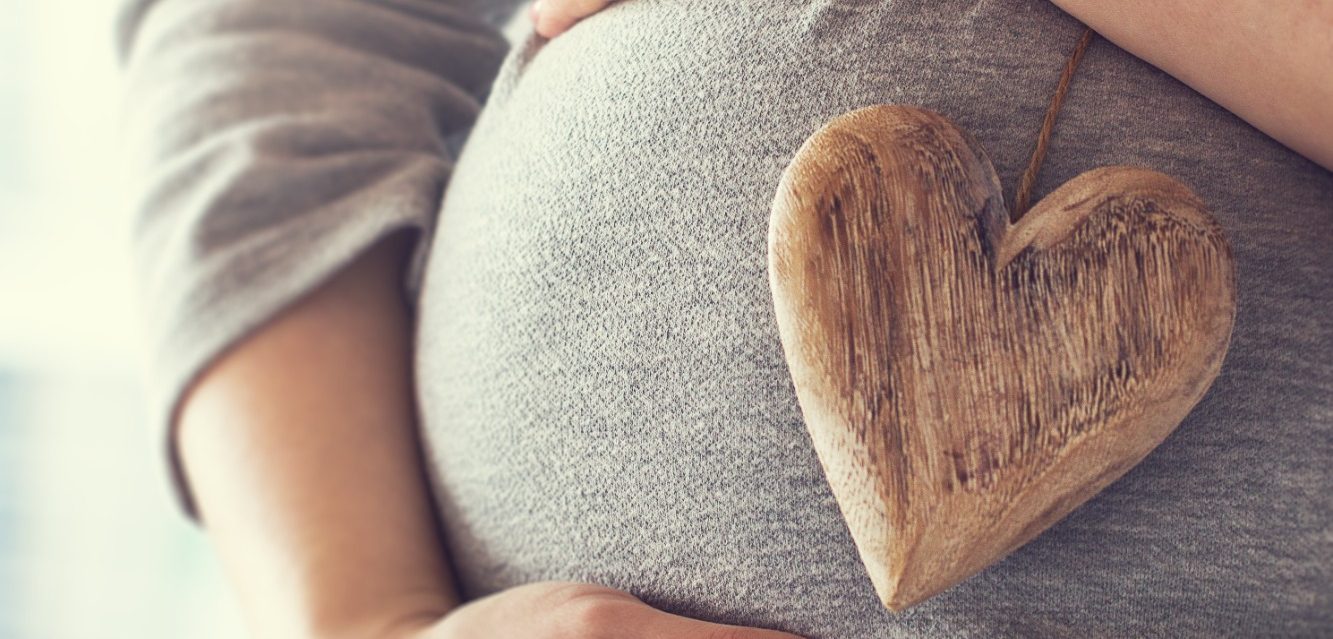
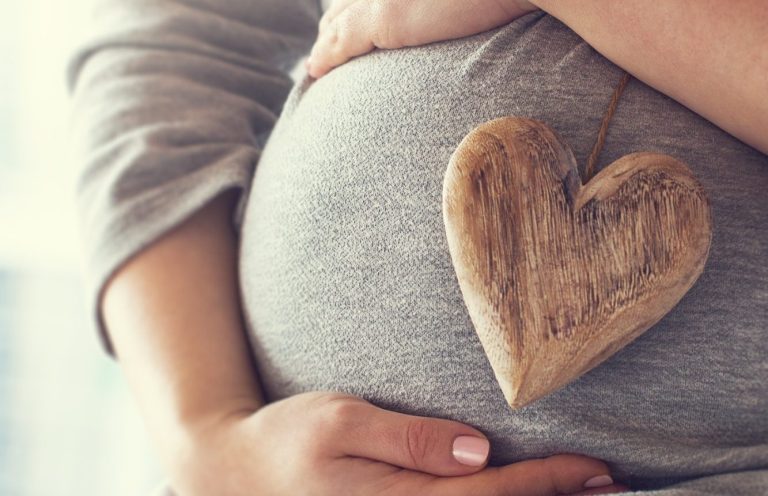
Pregnancy Massage - Nurturing support for your pregnancy, birth, and postpartum journey
Pregnancy brings profound changes — to your body, your emotions, and your sense of self. Massage during this time can provide not only physical relief, but also a safe space to rest, reconnect, and feel supported.
A trauma-informed approach means every session is guided by respect, choice, and collaboration. We recognise that each person’s history and experiences are unique, and that safety and trust are the foundation of healing touch. You are always in control of how your session unfolds.
During Pregnancy:
- Ease back, hip, and pelvic discomfort
- Reduce swelling and muscle tension
- Support circulation and deeper relaxation
- Create moments of calm amidst change
Preparing for birth:
Massage can help ground and center you as you approach labour. With gentle techniques and mindful breathing, sessions can reduce stress, promote oxytocin, and support your confidence and readiness.
Postpartum Care:
Your body and emotions continue to shift after birth. Postnatal massage can:
- Soothe tired muscles from feeding, holding, and carrying your baby
- Support recovery and hormonal balance
- Offer emotional space to process your birth experience
- Provide deep rest and nurturing at a time when you may be giving so much to others
What to expect in a session:
- A calm, welcoming space where your comfort is the priority
- Clear communication and consent at every step
- Options for positioning, touch, and environment
- The freedom to pause or adjust at any time
Want to know more about how massage therapy fits into your personalised rehabilitation plan?
Telephone: 07948968581
E-mail: info@berwintherapyservices.co.uk