Massage Therapy
Massage Therapy: A Holistic Approach to Healing
Massage therapy is a core part of our rehabilitation programme and a favourite among our clients. Whether it’s used for deep muscle stimulation or calming low-stimulus sessions, massage therapy offers both physical and emotional benefits that support long-term recovery.
Tailored to every need
Massage therapy is adaptable to meet the unique needs of each client:
- Low-stimulus massage is particularly effective for clients recovering from a Traumatic Brain Injury (TBI). These gentle sessions help calm the nervous system, reduce hyperactivity, and create a space for quiet, therapeutic interaction.
For clients with Spinal Cord Injury (SCI), massage helps to:
- Stimulate muscles below the site of injury
- Reduce spasticity (muscle stiffness)
- Improve mobility and support other physical therapies
A Holistic Approach to Healing
We combine traditional rehabilitation with complementary therapies like massage to achieve the best outcomes. Clients often report feeling both physically revitalised and mentally uplifted after treatment.
Massage therapy promotes the natural release of serotonin, a chemical that boosts mood and reduces anxiety. This “hands-on” approach helps clients feel calmer, happier, and more resilient—no matter how severe their injury.
Benefits of Massage Therapy
- Improved circulation
- Reduced muscle stiffness and spasticity
- Decreased joint inflammation
- Better sleep quality
- Faster recovery from injuries
- Increased flexibility and mobility
- Less pain and soreness
- Strengthened immune function
- Boosted mental health and mood
- Reduced anxiety and emotional stress
- Support for emotional healing
- Improved overall quality of life
Types of Massage Therapy we offer
Amputee and Poly-Trauma Massage
Paediatric Massage

Post-Stroke Massage
Massage and Traumatic Brain Injury (TBI)
Therapy for Clients with Prolonged Disorders of Consciousness (PDOC)
Spinal Cord Injury Massage Therapy
Pregnancy Massage
Herbal Massage
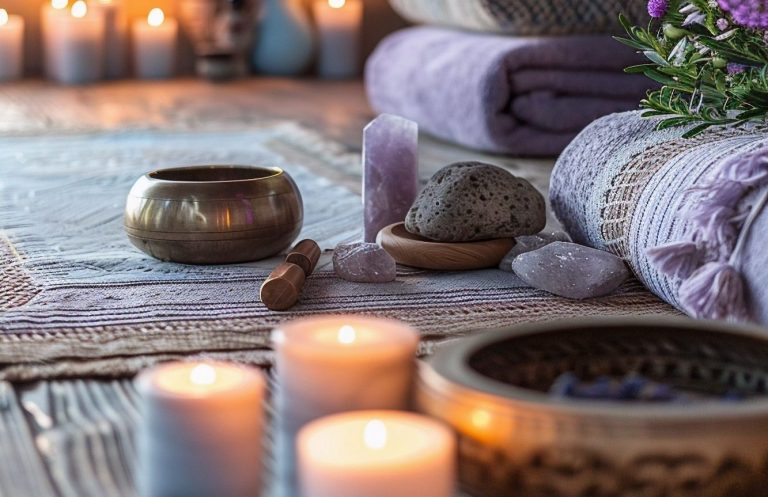
Hot Stone Massage
Lymph Drainage Massage
Cancer Care Massage
Scar Massage
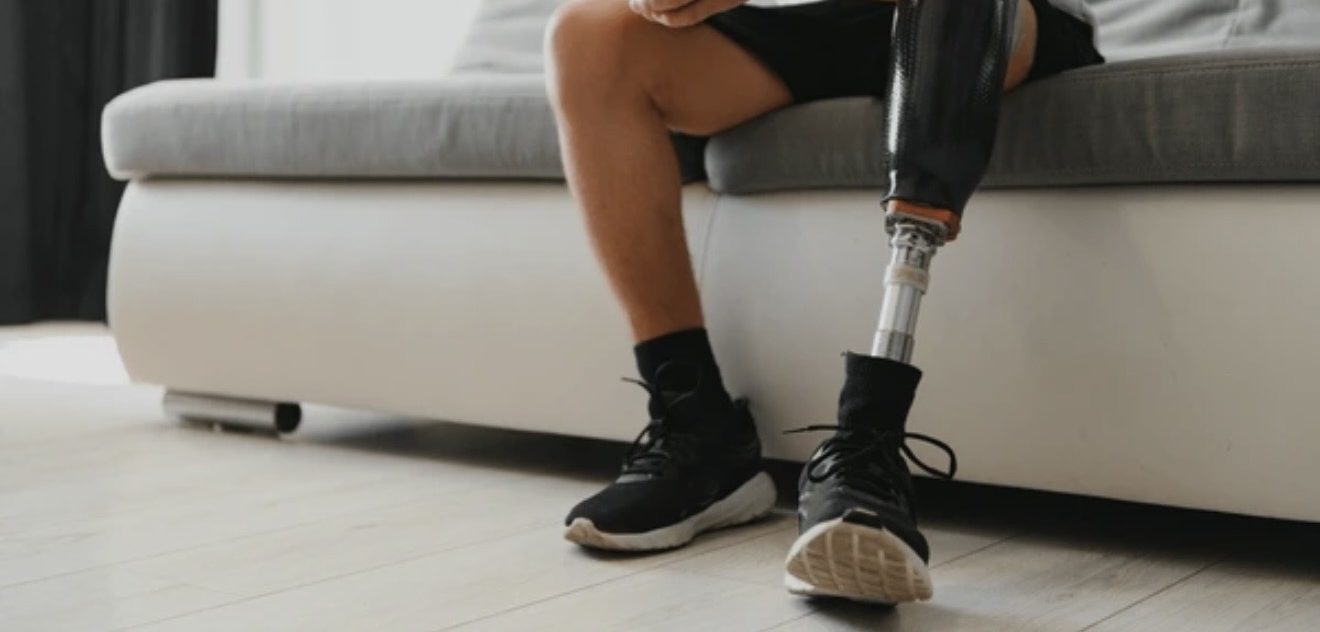
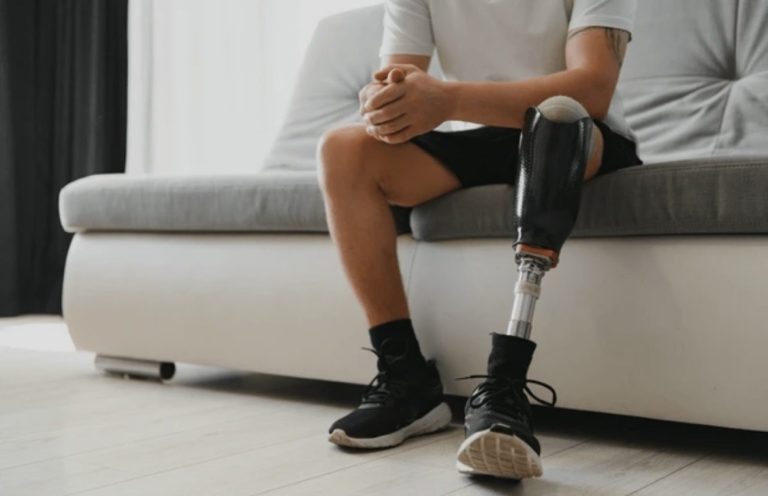
Amputee and Poly-Trauma Massage
Benefits of Massage Therapy for Amputees.
Every amputee is unique in their recovery journey. Many factors can contribute to the rehabilitation process, such as age, overall health, cause of amputation, and their current stage of amputation.
Ultimately, massage therapy can be of great benefit to amputees, whether as a preventive or maintenance measure or as an integral element in the various phases of rehabilitation. It is highly recommended that amputees receive massage therapy in conjunction with beginning prosthetic training and ongoing prosthetic use. This can help prevent muscle strain, tightness, and related pain symptoms that may develop due to alterations in posture and biomechanics, combined with the new demands placed on the muscles directly and indirectly involved.
Compensatory Structures
Amputees often experience pain in muscles and joints that are not directly associated with the area of amputation. These areas are called “compensatory structures” because they are required to perform additional functions to compensate for limitations resulting from the amputation. This imbalance in muscle activity often results in muscular tightness, stiffness, and spasms, which may manifest in a variety of ways across different levels of amputation as well as different areas of each individual’s body.
Common Amputee Conditions Treatable by Massage Therapy:
- Phantom Limb Pain
- Residual Limb Pain
- Hypersensitivity
- Muscle Tightness, Stiffness, and Spasms (Contractures)
- Scar Tissue Effects (tightness, itching, or pain)
- Swelling
- Poor Blood Circulation
Complex Care
Losing a limb is a physical and psychological trauma that has a profound influence on the life of an amputee. Providing comprehensive rehabilitation services and programs to individuals in recovery is, unsurprisingly, a complex process. To address the individual’s unique functional, emotional, social, and psychological needs, a multidisciplinary team approach is required. We can support you on your journey.
Paediatric Massage
In paediatric massage, the pressure applied is much lighter compared to adults. The techniques are gentler and more suited to a child’s delicate skin and developing muscles.
Additionally, the duration of a massage session for a child will typically be shorter. Children/Infants can quickly become bored and overstimulated during a massage, and overstimulation can end up negating many of the benefits a massage may offer younger children, like improved relaxation and sleep.
Research shows that massage therapy can play an important role in supporting children’s physical, emotional and social well-being.
Massage therapy can provide physical and emotional benefits for children, some ways that it helps include:
- Reduce stress and improves mood. Massage decreases cortisol (the stress hormone) and increases dopamine and serotonin, the “feel-good” chemicals in the brain.
- Ease muscle tension and improve flexibility. Massage therapy relaxes tight muscles and improves range of motion, making it especially useful for young athletes and performers who put repetitive strain on their bodies.
- Supports healing and recovering. Using massage therapy as a complementary therapy for children recovering from injuries, surgeries or chronic conditions can help reduce pain and speed up recovery time.
- Improve sleep quality. Massage has been linked to better sleep patterns, which can boost energy, focus and learning.
Supports mental health. - Massage can help reduce anxiety, depression and stress-related symptoms in children and adolescents.
Please note:
A Parent/Carer should be present throughout the massage session.
Not only can the parent provide helpful feedback, but they can also put the child at ease and provide a real sense of security in an unfamiliar situation.
Our Paediatric therapist holds full rolling enhanced DBS, Level 3 Safe Guarding and CNHC Accreditation with FHT Insurance and Understanding Traumatised Children certification.
All certificates available to view on request.

Post-Stroke Massage Therapy
How Massage Therapy May Help After a Stroke.
Recovering from a stroke can bring physical and emotional challenges, including muscle stiffness, reduced mobility, fatigue, stress, and discomfort. Massage therapy can play a supportive role in rehabilitation by helping clients relax, improve comfort, and feel more connected to their bodies during recovery.
While massage therapy does not reverse a stroke, it may help improve overall well-being and support ongoing rehabilitation when provided safely and appropriately.
When providing massage therapy for a client who has had a stroke, the main goals are usually safety, comfort, circulation support, stress reduction, and helping with muscle stiffness or altered movement patterns. The approach should be gentler and more medically aware than a standard relaxation massage.
Benefits may include:
- Promoting relaxation and reducing stress
- Helping ease muscle tightness and stiffness
- Supporting healthy circulation
- Improving comfort and sleep quality
- Encouraging body awareness and relaxation
- Helping reduce tension caused by compensating muscles
Each session is adapted to the client’s individual needs, mobility, and stage of recovery.
A Gentle and Safe Approach
Massage therapy for stroke clients is designed to be gentle, calming, and supportive. A trained therapist who is experienced in neurological rehabilitation or medical massage is the safest choice for STROKE rehabilitation.
Stroke survivors require a more careful and personalised treatment approach. Sessions may involve:
- Gentle Swedish massage techniques
- Slow, rhythmic strokes
- Light kneading and soft tissue work
- Hand, foot, neck, and shoulder massage
- Comfortable supported positioning with pillows or bolsters
- Deep massage is not appropriate early after a stroke or over weakened limbs
Special care is taken with areas affected by weakness, altered sensation, or muscle spasticity.
Client Comfort Comes First
Many stroke clients experience fatigue, sensitivity, or reduced mobility. Treatments are paced carefully to ensure comfort and safety throughout the session.
Massage sessions can be adapted for:
- Reduced mobility
- Wheelchair users
- Side-lying or semi-reclined positioning
- Sensory changes or communication difficulties
A calm, supportive environment is always prioritised.
Important Health Considerations
Before treatment, a full consultation is carried out to understand:
• Medical history
• Current symptoms
• Medications
• Mobility and circulation concerns
• Stage of stroke recovery
Book an Appointment
If you would like to learn more about massage therapy for stroke recovery or discuss whether treatment may be suitable, please get in touch to arrange a consultation.
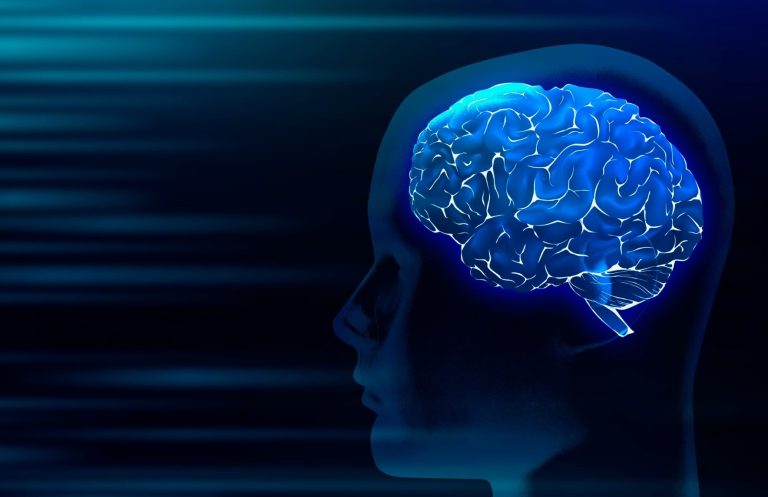
Massage and Traumatic Brain Injury (TBI)
Massage therapy can be an important part of recovery and quality of life for people living with TBI. Sessions are gentle, safe and adapted to each persons needs.
Neurological & Cognitive Benefits:
- Promotes relaxation – Calms the nervous system and may reduce overstimulation or agitation.
- Improves proprioception & body awareness – Gentle touch helps reconnect the brain and body, aiding sensory integration.
- Supports neuroplasticity – Repetitive, mindful stimulation may encourage new neural connections.
Emotional & Psychological Benefits:
- Reduces anxiety & stress – Calming parasympathetic activation can help manage mood swings, PTSD, or anxiety common after TBI.
- Improves sleep – Promotes deeper rest, which is often disrupted post-injury.
- Encourages emotional regulation – Safe, nurturing touch can increase oxytocin, improving mood and sense of security.
Physical Benefits:
- Reduces muscle tension and spasticity – Helps ease rigidity, especially if the client experiences hypertonia or contractures from neurological involvement.
- Improves circulation & lymphatic flow – Enhances oxygen and nutrient delivery to tissues, supporting healing and reducing swelling.
- Decreases pain – May alleviate headaches, neck/shoulder pain, and neuropathic discomfort often associated with TBI.
- Supports mobility – Gentle stretching and passive range of motion can help maintain joint flexibility.
Therapy for Clients with Prolonged Disorders of Consciousness (PDOC)
"Healing through reconnection"
Our Mission:
At Berwin we are passionate about providing the best care for our most vulnerable clients. We specialise in treating clients who can not ordinarily verbally communicate. We provide compassionate massage therapy in the best interests of people living with Prolonged Disorders of Consciousness (PDOC), supporting both clients and their families. Our approach is centered on comfort, dignity, and connection — offering experienced therapeutic touch that enhances quality of life while empowering families to take an active role in care.
The Power of Physical Connection:
Known as the "mother of all senses" touch remains vital throughout our entire lives. It conveys empathy, safety and affection without ever needing to speak a word. The skin is the body's largest organ, it is covered in thousands of sensors that tell us if we are safe. Because touch is deeply embedded in our DNA, it is our forever non verbal language that we can rely on to communicate our comfort, boundaries and care. Understanding and participating in this first language is incredibly important to people who have reduced consciousness and limited capacity.
"Rebuilding lives and expanding possibilities"
At Berwin we ensure that our care aligns with the official RCP Prolonged Disorders of Consciousness Guidelines, the use of hands on therapy is met strictly with ethical care pathways.
Key Benefits include
- A positive, hands-on way to connect
- Reducing stress and emotional strain - improving emotional well-being by releasing endorphins even in severe cases.
- Parasympathetic Activation
- Neurotransmitter Stimulation
- Enhanced Body Awareness
- Providing a Sense of Purpose and Closeness in Daily Care
- Offering a Greater Quality of Life
- Giving the Power of Alternative Connection in a Non Verbal World
- Decreased Muscle Stiffness
- Facilitates Sensory Stimulation
- Pain Reduction
- Improved Circulation
- Part of a wider sensory program, Olfactory Stimuli
Why choose us?
- Specialist experience with PDOC clients
- Holistic, family-centered care
- Professional, compassionate therapists
- Evidence-informed practice rooted in safety and dignity
- Signs of autonomic changes and discomfort recognised and observed allowing for a safe bespoke treatment
- Enhanced DBS
- Level 3 Safeguarding
- Level 2 Trauma informed training
- Paediatric - Understanding Traumatised Children
- Fully Insured - FHT
- CNHC Registered
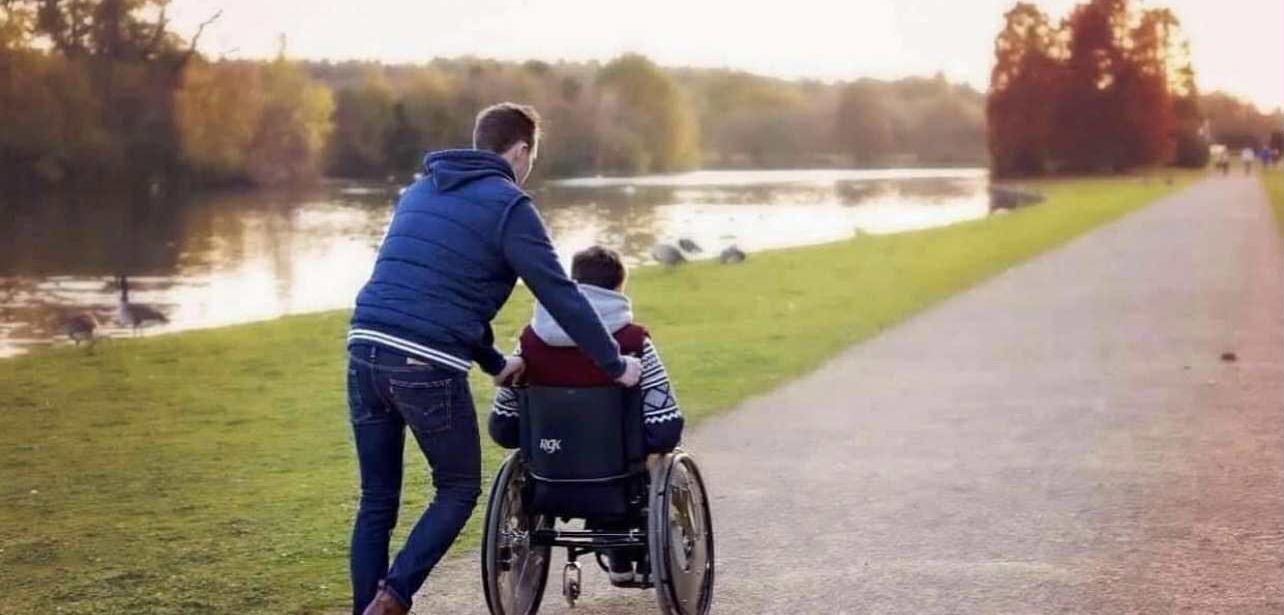
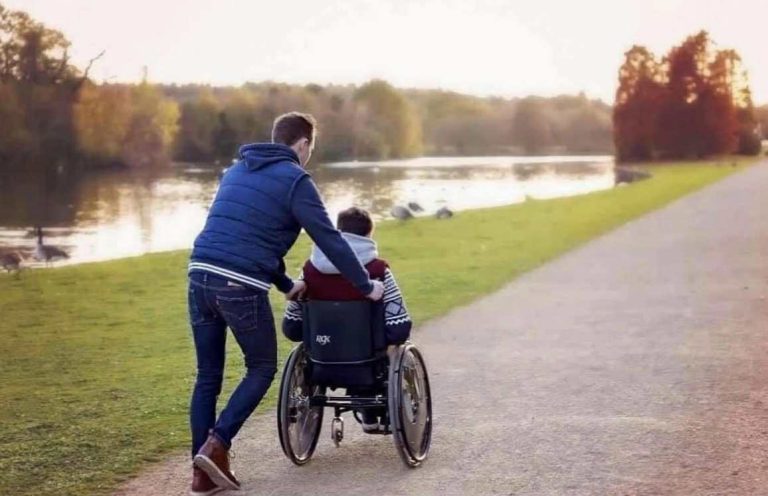
Spinal Cord Injury Massage Therapy
Massage therapy can be a helpful complementary approach for people with spinal cord injury (SCI). While it doesn’t restore lost function, it can address many secondary complications and improve overall quality of life.
Physical Benefits:
- Relieves muscle spasticity and tightness - Gentle massage helps calm overactive muscles and reduces involuntary spasms.
- Improves circulation & reduces swelling (edema) - Especially in immobile limbs, massage (and lymphatic drainage) can promote blood and lymph flow, lowering the risk of swelling, pressure sores, and blood clots.
- Decreases musculoskeletal pain - Helps with secondary pain in shoulders, neck, and arms (common in wheelchair users due to overuse).
- Improves range of motion & flexibility - Passive stretching combined with massage helps prevent contractures and joint stiffness.
- Enhances respiratory function (indirectly) - By relaxing accessory breathing muscles (neck, chest), massage can ease tension that may restrict breathing.
Neurological and Sensory Benefits:
- May reduce neuropathic pain - Some studies report short-term relief from tingling, burning, or shooting pain after massage.
- Improves body awareness - Gentle touch can provide sensory stimulation, helping reconnect a sense of the body, even below the level of injury.
Psychological & Emotional Benefits
- Reduces stress, anxiety, and depression - Clinical studies show massage can lower anxiety and depressive symptoms in SCI patients.
- Improves sleep quality - By reducing pain and calming the nervous system, massage often helps with insomnia.
- Boosts mood & relaxation - Physical touch provides comfort, lowers cortisol (stress hormone), and increases serotonin/dopamine.
Functional & Quality of Life Benefits
- Supports independence & daily living - Less pain and stiffness can make transfers, mobility, and self-care easier.
- Enhances participation in rehab/exercise - When spasticity and pain are reduced, individuals may engage more effectively in physical therapy.
- Improves overall well-being - Many people report feeling “lighter,” more comfortable, and more in control after regular massage.
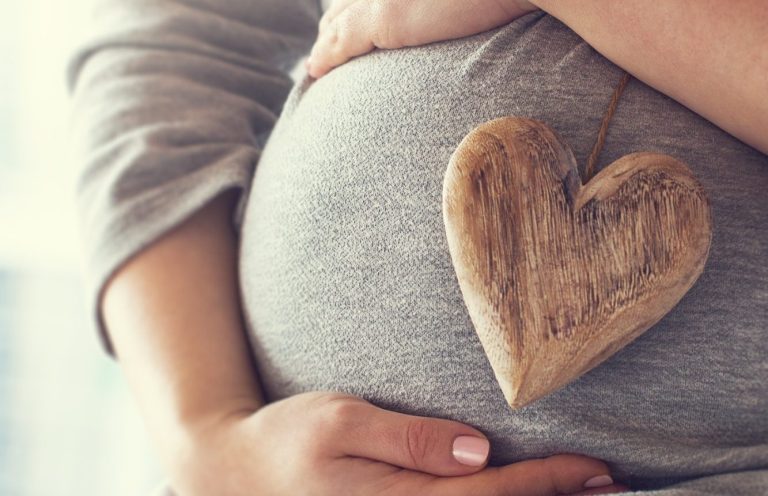
Pregnancy Massage - Nurturing support for your pregnancy, birth, and postpartum journey
Pregnancy brings profound changes — to your body, your emotions, and your sense of self. Massage during this time can provide not only physical relief, but also a safe space to rest, reconnect, and feel supported.
A trauma-informed approach means every session is guided by respect, choice, and collaboration. We recognise that each person’s history and experiences are unique, and that safety and trust are the foundation of healing touch. You are always in control of how your session unfolds.
During Pregnancy:
- Ease back, hip, and pelvic discomfort
- Reduce swelling and muscle tension
- Support circulation and deeper relaxation
- Create moments of calm amidst change
Preparing for birth:
Massage can help ground and center you as you approach labour. With gentle techniques and mindful breathing, sessions can reduce stress, promote oxytocin, and support your confidence and readiness.
Postpartum Care:
Your body and emotions continue to shift after birth. Postnatal massage can:
- Soothe tired muscles from feeding, holding, and carrying your baby
- Support recovery and hormonal balance
- Offer emotional space to process your birth experience
- Provide deep rest and nurturing at a time when you may be giving so much to others
What to expect in a session:
- A calm, welcoming space where your comfort is the priority
- Clear communication and consent at every step
- Options for positioning, touch, and environment
- The freedom to pause or adjust at any time
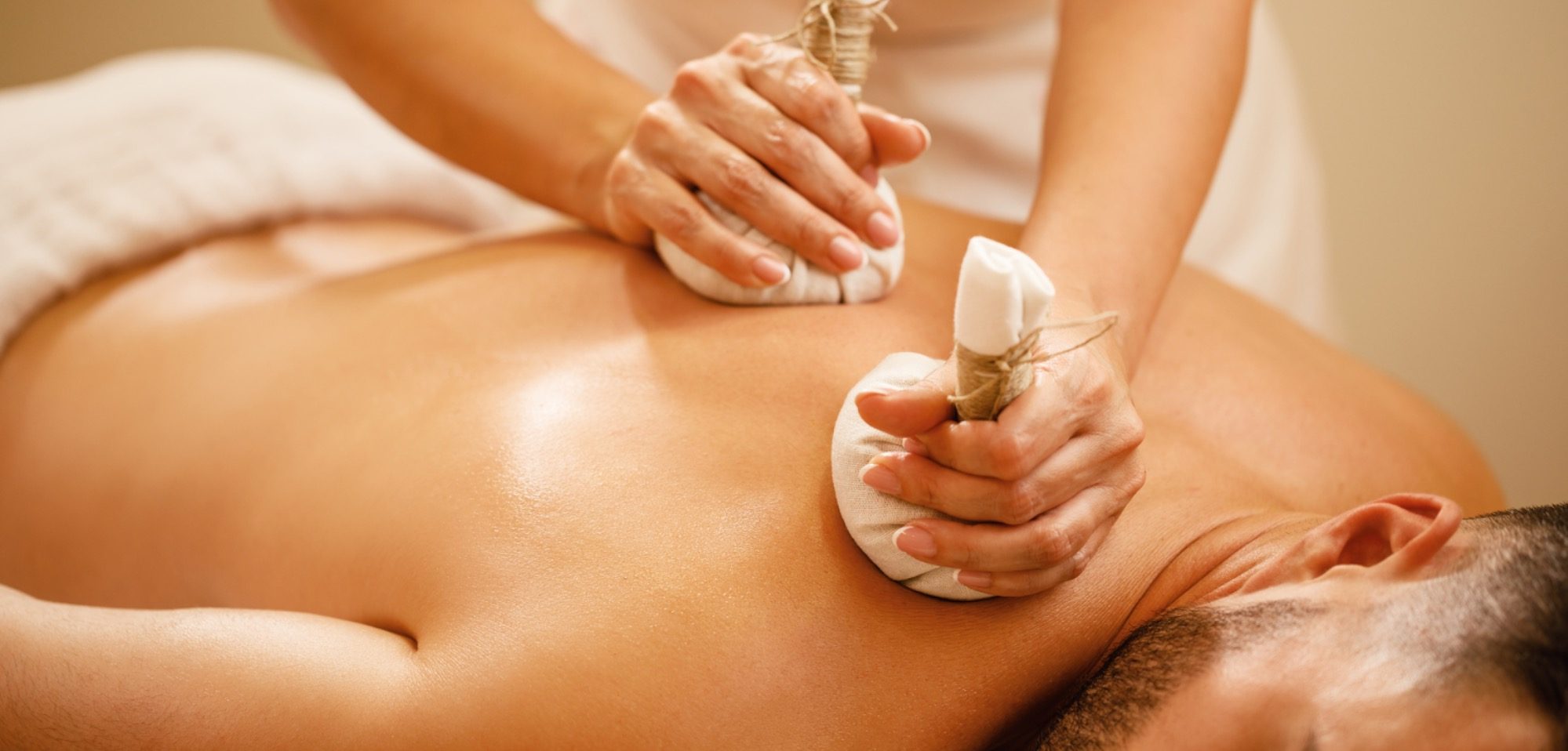
Herbal Massage
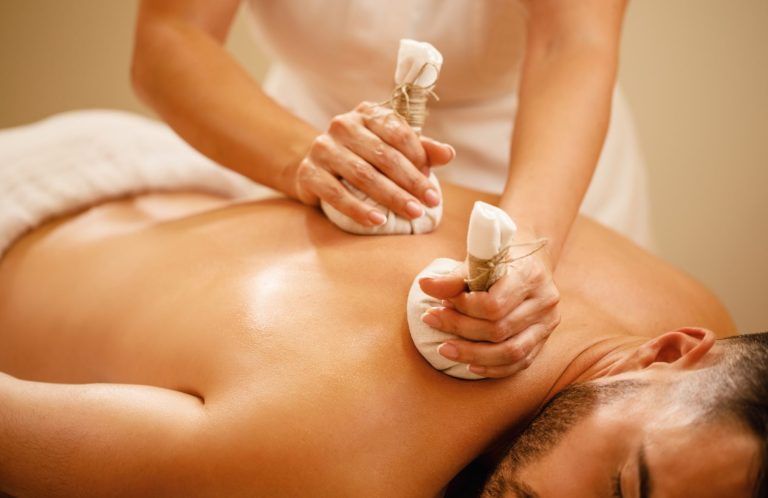
Herbal Massage Therapy is a healing practice that combines traditional massage techniques with the use of herbal treatments to enhance physical and mental well-being. This therapy uses herbal compresses, herbal oils, or herbal poultices applied during massage to deliver therapeutic benefits from natural plants.
How it works:
Massage therapy is adaptable to meet the Massage techniques help relax muscles, improve circulation, and relieve tension.
- Herbal preparations provide additional healing effects such as reducing inflammation, detoxifying the skin, relieving pain, and calming the nervous system.
- The heat from herbal compresses or warmth of infused oils helps the body absorb herbal benefits more effectively.
Benefits:
- Alleviates muscle soreness and stiffness
- Reduces inflammation and pain (like arthritis or sports injuries)
- Detoxifies the body by promoting lymphatic drainage
- Relieves stress, anxiety, and mental fatigue
- Enhances skin health and hydration
- Boosts overall energy and vitality
Typical Herbs Used:
- Lemongrass
- Turmeric
- Ginger
- Camphor
- Eucalyptus
- Lavender
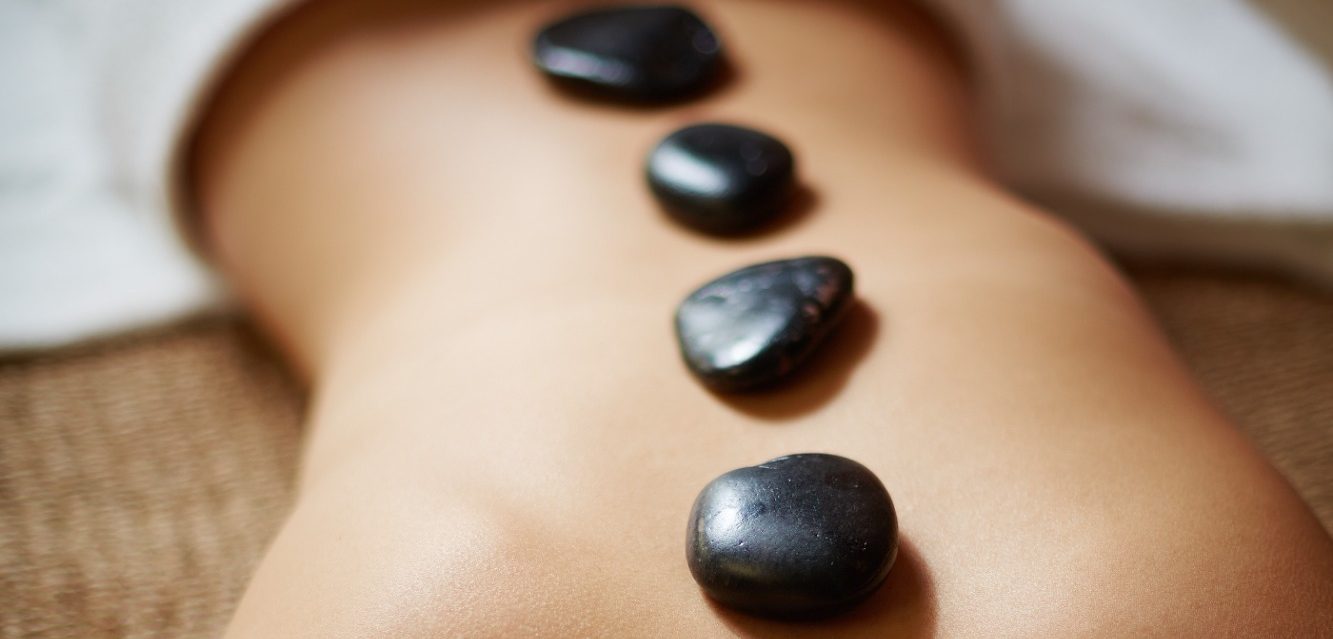
Hot Stone Massage
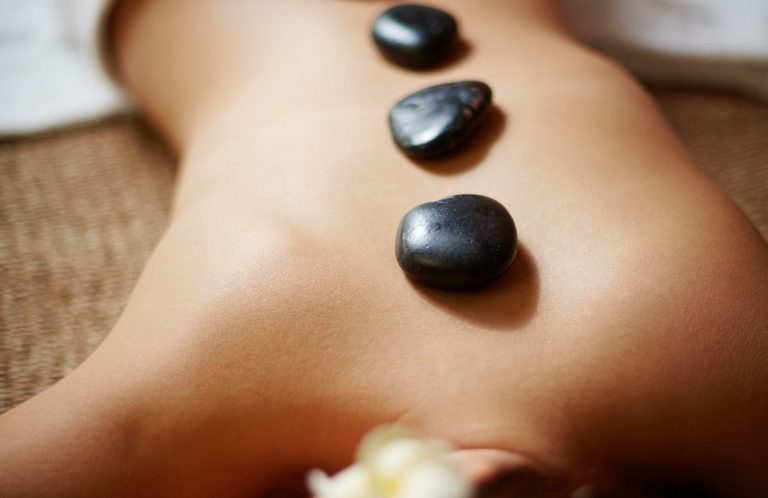
Hot stone therapy is a specialised type of massage that uses smooth, flat, heated stones to relax the body, ease muscle tension, and improve circulation. The stones are usually made of basalt, a volcanic rock known for its ability to retain heat. This treatment combines the benefits of thermotherapy (heat therapy) with the soothing effects of massage, making it both a relaxing spa treatment and a therapeutic practice.
How it works:
- Heating stones
- Stones are warmed in water to a safe temperature (110–130°F / 43–54°C).
- Placement on the Body
- The therapist strategically places the stones on specific points such as the spine, shoulders, stomach, hands, or feet.
- Massage with Stones
- In addition to placement, the therapist may hold the stones and use them to massage muscles with long, flowing strokes.
- Therapeutic Effect
- The heat penetrates deep into the muscles, helping them relax faster and allowing the therapist to work more effectively on tension areas.
Benefits:
- Relieves muscle stiffness and tension
- Reduces chronic pain (e.g., back pain, arthritis, fibromyalgia)
- Improves blood circulation and lymphatic flow
- Enhances flexibility and mobility
- Mental & Emotional Benefits
- Promotes deep relaxation
- Reduces stress, anxiety, and depression symptoms
- Improves sleep quality
- Increases overall sense of well-being
Lymph Drainage Massage
Lymph drainage massage—also called manual lymphatic drainage (MLD)—is a gentle, therapeutic technique designed to encourage the natural drainage of lymph fluid, which carries waste products away from tissues and back toward the heart. It’s often used to reduce swelling, improve circulation, and support the immune system.
How it works:
- The lymphatic system doesn’t have a strong pumping mechanism like the heart, so it relies on muscle movement and breathing to circulate fluid.
- MLD uses very light, rhythmic strokes and pumping movements to stimulate lymph flow through the vessels and nodes.
- Techniques are applied in a specific sequence, starting with clearing central areas (like the neck and collarbone) before moving to the limbs.
Benefits:
- Reduces lymphedema (swelling, especially after surgery or cancer treatment).
- Helps with detoxification by moving waste products out of tissues.
- Supports immune function by stimulating lymph flow.
- Promotes relaxation and reduces stress.
- Can improve healing after injury or surgery.
When its used:
- After breast cancer surgery or lymph node removal.
- For chronic venous insufficiency, lipedema, or fibromyalgia.
- To ease post-surgical swelling (e.g., cosmetic surgery).
- As part of wellness and detox therapies.
Want to know more about how massage therapy fits into your personalised rehabilitation plan?
Telephone: 07709910664
E-mail: info@berwintherapyservices.co.uk